

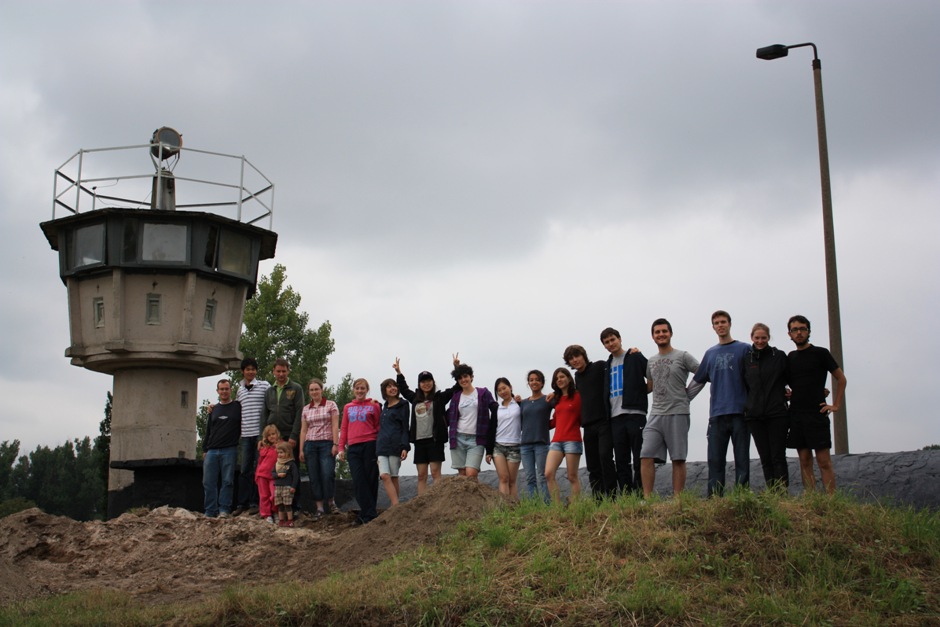
The village of Hötensleben is a good example for the enriching influence international workcamps can have on the local community and how local volunteering is stimulated by this.
The background: Hötensleben is a village situated directly on the east side of the former German-German border.
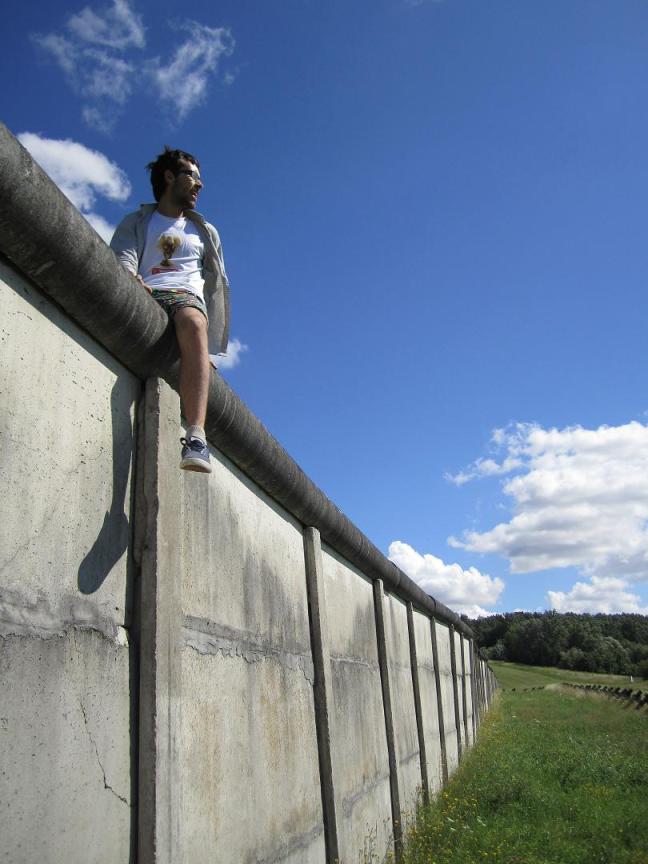
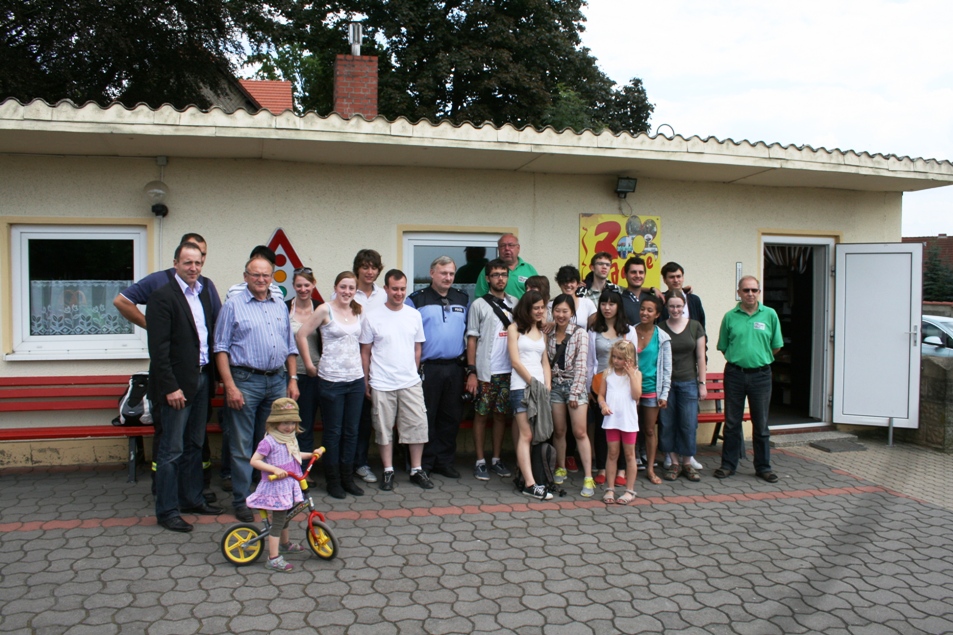
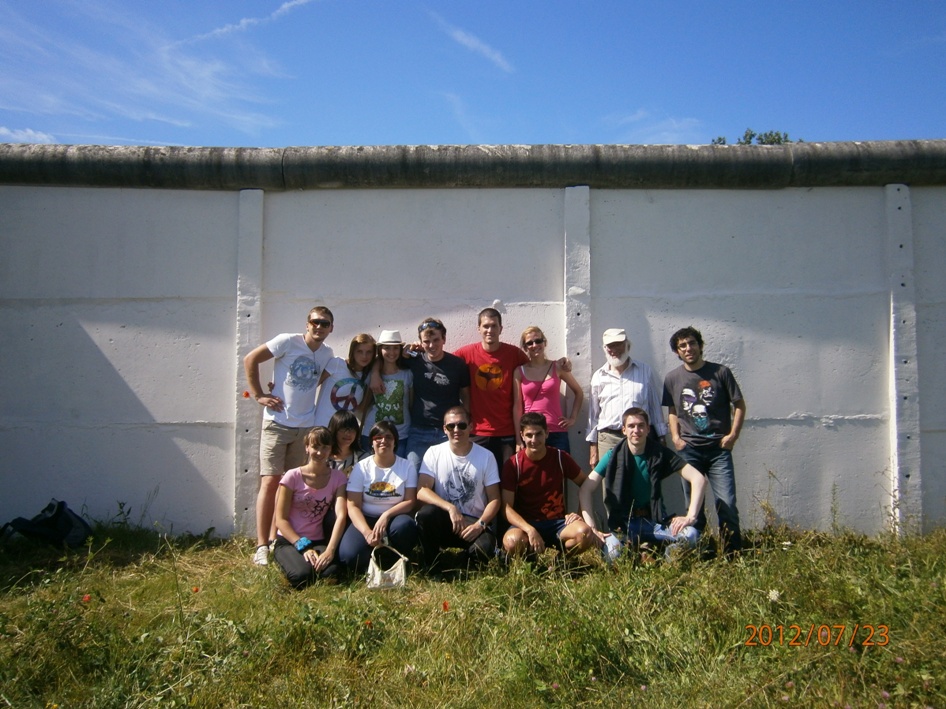
It was a restricted area until 1989 and the Iron curtain isolated this village (and the villagers) very much. A group of local volunteers started after the German reunification to maintain parts of the frontier protection as historic monument and memorial for the victims. Since 1998 a group of international volunteers comes every summer to support them with the maintenance. Local villagers and international volunteers worked together, shared their life for 3 weeks, learned from each other and enjoyed excursions and parties.
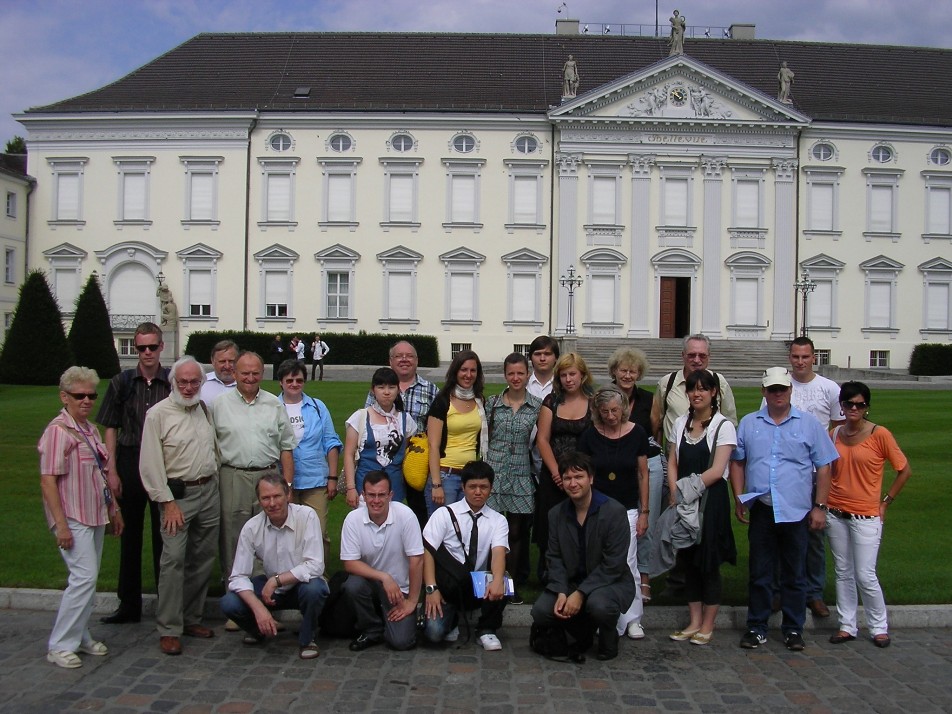
The presence and engagement of international volunteers had a very big influence on the local community: The young people in the village recognized that learning English at school can really be useful; everybody learned a lot from the personal exchange with foreigners. The presence of international volunteers helped to revitalize the village’s cultural life which got less and less as most youngsters left Hötensleben in order to find work elsewhere. Nowadays, the workcamp has become a substantial part of the cultural year. From year to year the contact became deeper and more intense. It was for example the starting point of a partnership between the local protestant parish and a one in England founded by one of the international volunteers. The acceptance and importance of the memorial has grown a lot through these positive projects. At the same time they supported the long-lasting local engagement in the work as for the local volunteers it gives an additional motivation to welcome the international volunteers each summer. They also started to feel as real “European citizens”.
You can have a look to the website of the local volunteers: www.grenzdenkmal.com (in German only).